Big Care for
Little Dogs
Small dogs have unique needs — trachea-safe harnesses, shallow feeders, and enrichment sized for tiny paws. Here\'s what vets actually recommend.
Shop Small Dog Picks →These picks are perfect for
What Small Dog Owners Need to Know
Skip the Collar for Walks
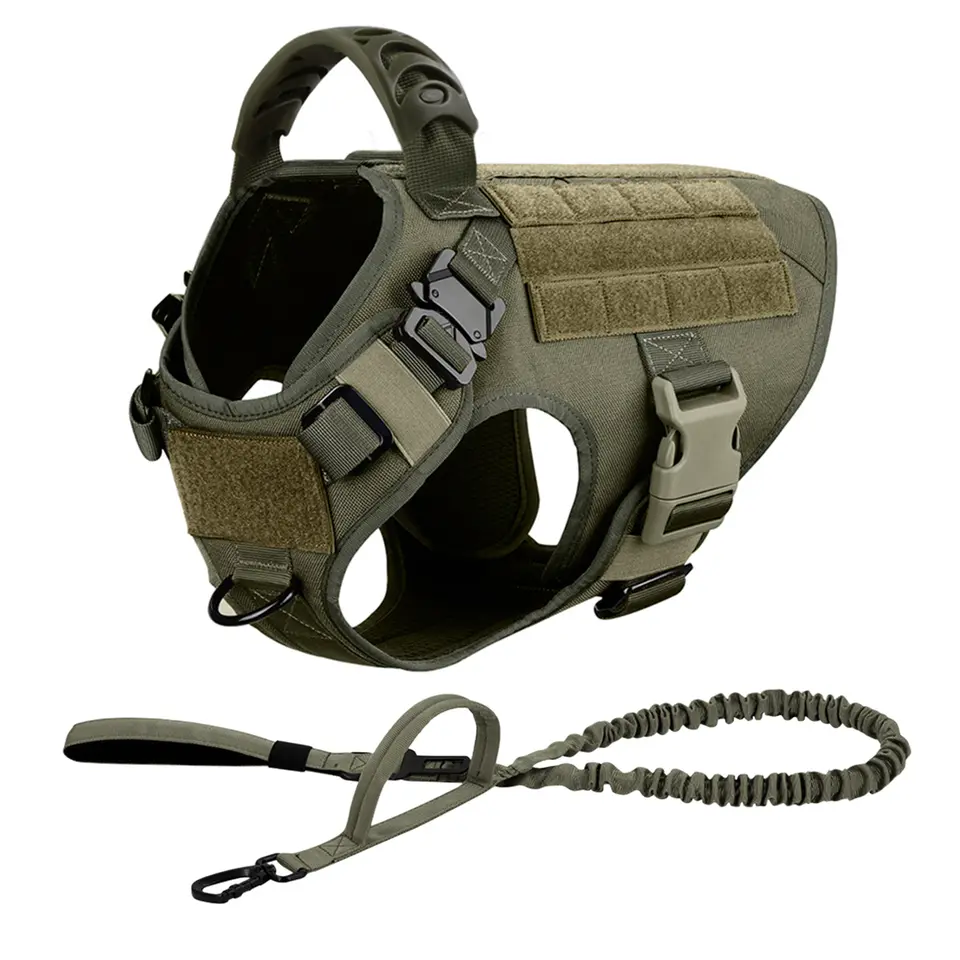
Small dogs are disproportionately at risk of tracheal collapse from collar pressure. A step-in harness distributes force across the chest — much safer.
Small Tummies Need Slow Feeders
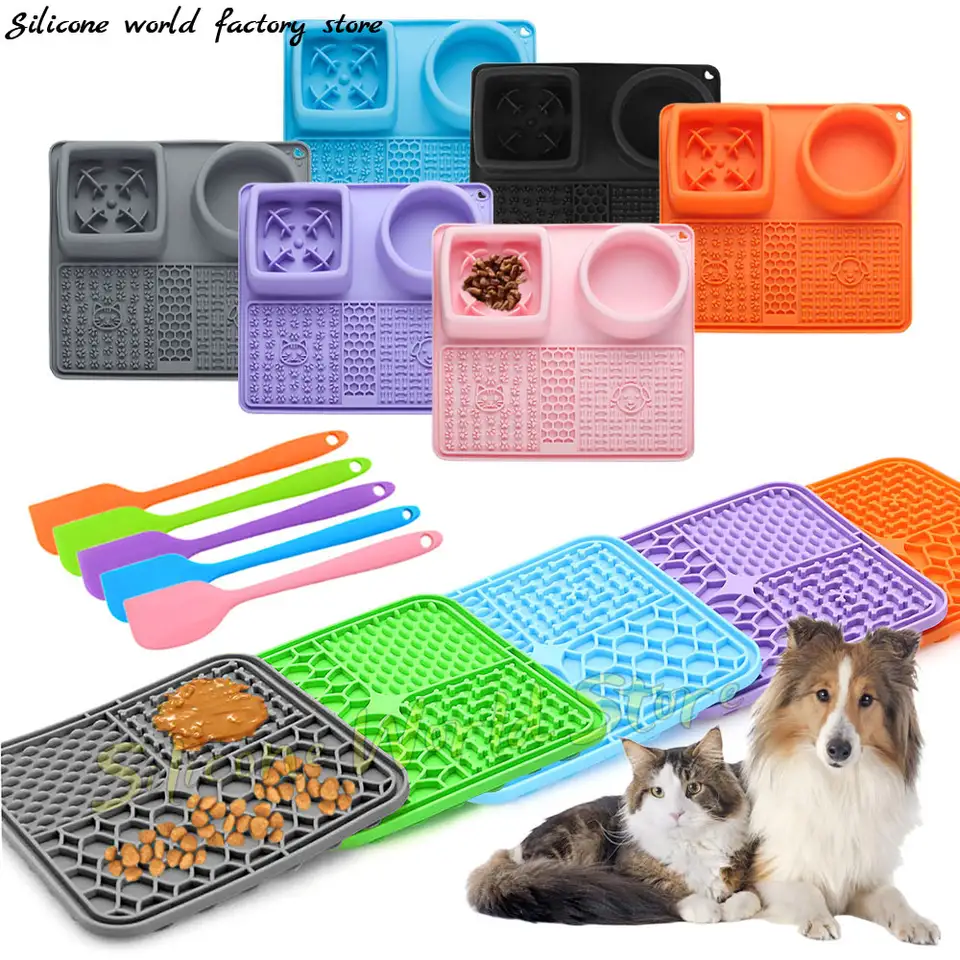
Small breeds can bloat from eating too fast. Slow feeders extend meal time 5–10x and dramatically reduce bloat risk and post-meal vomiting.
Watch for "Small Dog Syndrome"
Under-stimulated small dogs develop anxiety and aggression. Daily enrichment with puzzle toys and lick mats addresses the root cause — boredom.
Warmth & Security Matter More
Small dogs lose body heat faster and feel more exposed. A raised-edge calming bed satisfies their instinct to burrow and keeps them warm through the night.
Top Picks for Small Dogs
Tested for size, safety, and small-dog physiology.


Small Dog FAQs
What size harness do small dogs need?
Most dogs under 15 lbs wear an XS–S harness. Measure your dog's chest girth (just behind the front legs) — the harness should fit snugly with two fingers of clearance. Step-in designs are easiest for small dogs that dislike things going over their head.
Do small dogs need special slow feeder bowls?
Yes — most standard slow feeder bowls are designed for medium-to-large dogs. The maze depth can be too deep for small snouts. Look for shallow-maze designs, or use a flat lick mat for small breeds.
Why are small dogs more prone to anxiety?
Small dogs' nervous systems are more reactive to environmental stimuli. They hear and sense more, and feel more physically vulnerable. Daily enrichment, consistent routines, and calming beds all reduce this baseline anxiety significantly.