Long-Haired Cat Grooming: Tools and Routine That Actually Work
Why Long-Haired Cat Grooming Matters
Long-haired cats are stunning—until they're matted, shedding everywhere, and uncomfortable. Regular grooming isn't just about aesthetics; it prevents serious issues like skin infections, digestive blockages from ingested hair, and painful mats that pull on the skin.
Unlike short-haired cats, long-haired breeds (Persians, Maine Coons, Ragdolls, Birmans) can't maintain their coats alone. Matting happens quickly, especially in damp areas like armpits, behind ears, and around the rear end. The good news? A simple routine with the right tools keeps your cat mat-free and healthy.
Essential Grooming Tools You Actually Need
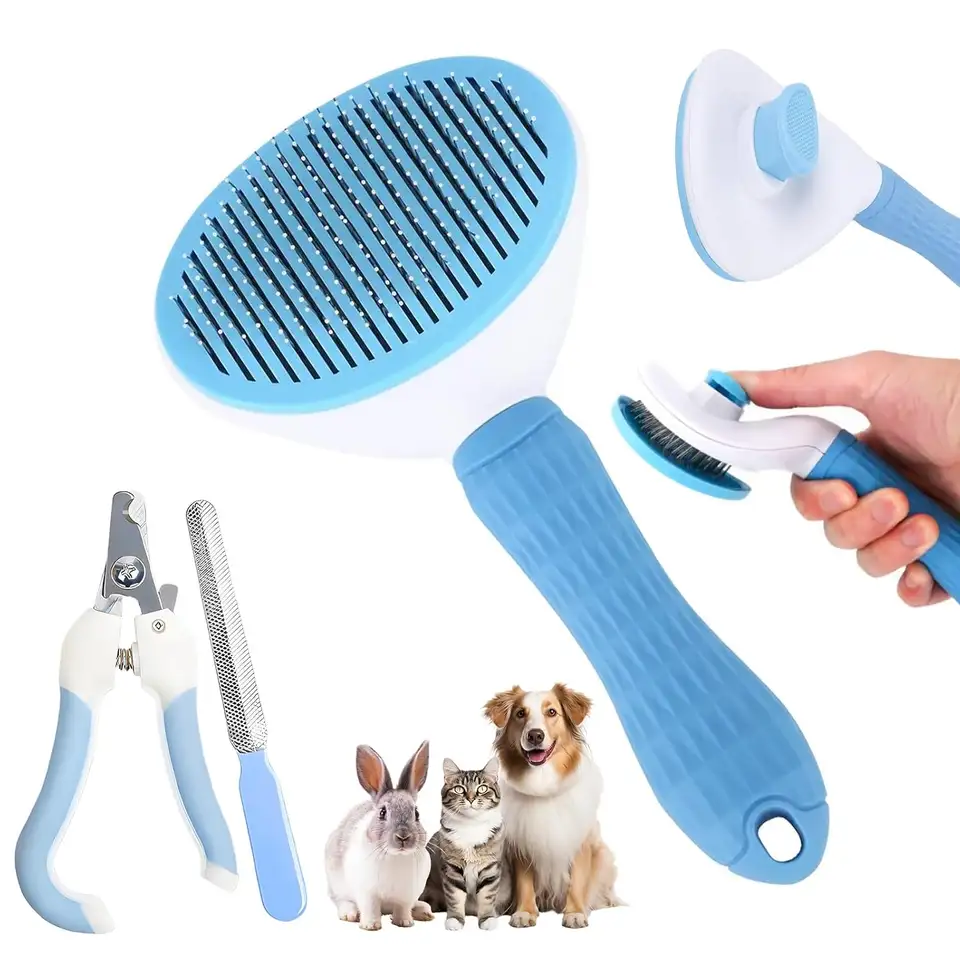
The slicker brush is your foundation. Use it 2–3 times weekly to remove loose hair and prevent tangles before they become mats. Brush in the direction of hair growth, working through the entire coat systematically.
A metal comb (wide-tooth first, then fine-tooth) detects mats you might miss and ensures your brush reached the undercoat. Run it through problem areas daily to catch early tangles.
Dematting spray or conditioning spray makes brushing gentler and less painful for your cat. A light mist before brushing also reduces static and makes hair easier to manage.
Nail clippers and styptic powder are non-negotiable. Long-haired cats hide their nails in fur, making overgrowth harder to spot. Trim every 2–3 weeks or as needed.
A grooming glove or rubber brush can be less intimidating for cats who dislike traditional brushes. Many cats tolerate gentle hand-grooming better, making it easier to build a routine.
Building a Realistic Grooming Routine
Daily (5 minutes): Use a metal comb or grooming glove on high-traffic mat zones—behind ears, armpits, belly, and the rear end. Catch tangles when they're small.
2–3 times weekly (10–15 minutes): Full-body slicker brush session. Start with the head, move down the back, then sides, belly, and tail. Most mats form on the underside, so spend extra time there. If your cat gets frustrated, split grooming into shorter sessions rather than forcing one long one.
Weekly: Gentle eye and ear cleaning (long-haired breeds are prone to tear staining and ear issues). Use a damp cloth or vet-approved wipes.
Every 2–3 weeks: Nail trim. If your cat is anxious, ask your vet to handle this during check-ups.
Monthly: Deep-coat inspection. Bathe only if your cat tolerates it—most long-haired cats don't need frequent baths unless they get genuinely dirty.
Making Grooming Stress-Free
Start early. Kittens who grow up with grooming tolerate it far better as adults.
Keep sessions short. A 5-minute session done regularly beats a chaotic 30-minute struggle once a month. Your cat will actually look forward to grooming time.
Use treats and praise. Reward your cat immediately after brushing with a favourite snack or playtime. Positive associations matter.
Choose the right time. Groom when your cat is calm—after a meal or during their quieter hours, not when they're energised and want to play.
Be gentle around sensitive areas. The belly, paws, and tail are sensitive. Use lighter pressure and a softer brush on these zones.
When to Seek Professional Help
If your cat's coat is severely matted, a professional groomer or vet is worth the cost. Trying to remove thick mats at home risks hurting your cat's skin. Groomers have proper tools and experience.
Persian cats and others prone to severe matting may need professional grooming every 6–8 weeks. Factor this into your budget from the start.
Feeding and Supplements for Coat Health
A high-quality diet rich in omega-3 fatty acids (fish oil, flaxseed) supports skin and coat health from within. Ask your vet about supplements if your cat's coat seems dull or dry despite regular grooming.
Pro Tip: Use a Lick Mat for Grooming Day
If your cat gets anxious during grooming, set up a PawHaven lick mat with wet food or treats before you start brushing. The distraction keeps them calm and makes the whole experience more positive. It's a small addition that transforms reluctant cats into cooperative ones.
The Bottom Line
Long-haired cat grooming isn't complicated—it just requires consistency. Invest in decent tools, start a routine now, and you'll prevent matting, reduce shedding, and catch health issues early. Your cat will be more comfortable, and you'll spend less time battling mats later.
Start this week. Your long-haired beauty will thank you.


Ready to Try It?
Everything mentioned in this article ships free. Use code WELCOME10 for 10% off your first order.
Shop PawHaven →