How to Bond With a Shy or Fearful Cat: A Patient Guide
Understanding Your Shy Cat's Behaviour
A fearful or shy cat isn't being difficult—they're genuinely anxious. Cats who hide, avoid eye contact, or startle easily are communicating that their world feels unpredictable or threatening. The good news? With patience and consistency, even the most reserved cats can develop meaningful bonds with their owners.
Understanding the root cause matters. Some cats are naturally introverted, whilst others have had past trauma or insufficient socialisation. Regardless of the source, building trust takes time—often weeks or months. Rushing the process will only deepen their anxiety.
Create a Safe Haven
Before bonding can happen, your cat needs to feel secure. Designate a quiet room (bedroom or study works well) as their sanctuary. Include:
- A hiding spot like a cat cave or covered bed
- A litter box, water bowl, and food station (placed separately)
- A window perch for observing the outside world
- Toys and enrichment items
Keep this space low-traffic and calm. A PawHaven elevated cat bed positioned near a window combines comfort with security—cats love having a vantage point whilst feeling protected above ground level.
Let Them Approach You
This is the most important rule: never force interaction. Resist the urge to pick up, pet, or corner your shy cat. Instead, reverse the dynamic—make yourself interesting and non-threatening.
Sit quietly in their space without direct eye contact. Read, work on your laptop, or simply be present. Blink slowly if they look at you; this cat "kiss" signals friendliness. Most shy cats will eventually approach out of curiosity when they feel in control.
Use Food as a Bridge
Food is a universal language. Start feeding your cat near you, then gradually closer to your seated position. Over time, they'll associate your presence with something positive. Use high-value treats—small, savoury pieces of cooked chicken or speciality cat treats—to reinforce brave behaviour.
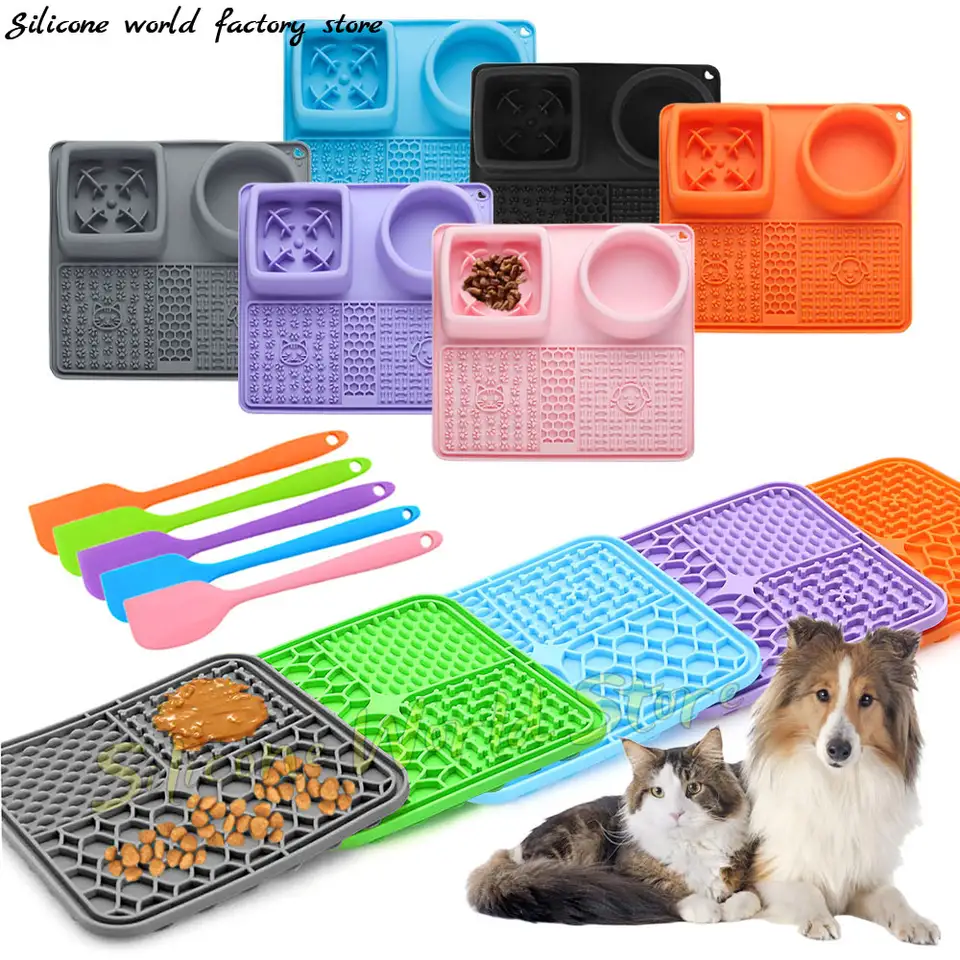
For cats prone to gulping their food in anxiety, a slow feeder from PawHaven helps regulate their eating pace whilst giving you more time together during mealtimes. This turns feeding into a calm, bonding ritual rather than a frantic event.
Interactive Play—On Their Terms
Play therapy builds confidence and connection. Use wand toys with long handles so your cat can engage from a safe distance. Keep sessions short (5-10 minutes) and stop before they become overwhelmed.
Notice what toys trigger play: some cats prefer feather wands, others like string or laser pointers. Observe and adapt. Playtime releases endorphins and creates positive associations with you.
Harness Training for Gentle Exploration
Once your cat feels safer indoors, a lightweight harness from PawHaven (properly introduced) can enable supervised outdoor time. This expands their world safely and gives you shared experiences. Always introduce harnesses indoors first, allowing them to wear it without pressure for several days before attempting to go outside.
Grooming and Touch
Shy cats often struggle with handling. Start with soft touches on their head or cheeks—areas most cats tolerate better than paws or belly. A gentle brush, even for 30 seconds, builds tactile trust.
If they pull away, stop immediately. Respecting their boundaries is how trust grows. Never punish fear-based reactions.
Scent Swapping
Cats communicate heavily through scent. Rub a soft cloth on your face and place it near their bed or food bowl. Conversely, use a cloth that smells like them and keep it near where you sit. This passive bonding reduces anxiety.
Be Consistent and Patient
Progress won't be linear. Some days your cat will be braver; others they'll retreat. Environmental changes—new people, loud noises, or vet visits—can reset progress. Stay consistent anyway.
Celebrate small wins: a slow blink, sitting nearby whilst you eat, a gentle head bump. These are profound for a fearful cat. They're saying, "I trust you a little more today."
When to Seek Help
If your cat shows no signs of progress after several months, or if anxiety worsens, consult your vet. Sometimes underlying health issues or extreme trauma require professional behaviour support. There's no shame in this—it's part of responsible cat ownership.
Bonding with a shy cat is deeply rewarding precisely because it requires genuine patience and respect. Your cat isn't broken; they're just cautious. Meet them there, and you'll earn a loyal companion who knows you chose to understand them.


Ready to Try It?
Everything mentioned in this article ships free. Use code WELCOME10 for 10% off your first order.
Shop PawHaven →