
The Complete Senior Dog Care Guide (Age 7+)
Senior dogs have different needs than younger dogs. Here's what changes at age 7, 10, and 12+ — and the products that make the biggest quality-of-life difference.
A dog is typically considered "senior" around age 7 — though this varies dramatically by size. Large breeds like Great Danes and Mastiffs enter their senior years at 5–6; small breeds like Chihuahuas and Dachshunds may not reach senior status until 10–11. Giant breeds (over 100 lbs) are geriatric by 7.
Here's what actually changes as dogs age — and what to do about it.
What Changes at Age 7
Joints: Arthritis begins for many dogs in their late 6s to early 7s, even without visible lameness. You may notice slower stairs, reluctance to jump, or a stiff first-10-minutes after waking. Up to 80% of dogs over 8 have some degree of arthritis.
Metabolism: Slower metabolism means weight gain on the same calorie intake. Obesity dramatically worsens joint disease — a 10-pound overweight dog puts significantly more stress on already-inflamed joints.
Digestion: Gastric motility slows. Bloat risk increases. This is when a [slow feeder bowl](/products/maze-slow-feeder-bowl) becomes genuinely important rather than optional.
Hearing and vision: Subtle declines begin around 7–8. You may notice your dog startles more easily or doesn't respond to commands given from behind.
Cognitive function: Canine Cognitive Dysfunction (doggy dementia) affects around 14% of dogs aged 8 and rises sharply with age. Signs include disorientation, disrupted sleep, loss of learned behaviors.
The Single Biggest Investment: Orthopedic Bedding
If you do one thing for a senior dog, make it an orthopedic bed. Here's why it matters more than most people realize:
Standard dog beds compress under the dog's weight, meaning arthritic joints end up resting against the floor through 2 inches of compressed foam. Memory foam distributes weight evenly across the sleeping surface, reducing pressure on hips, elbows, and spine.
The [Orthopedic Memory Foam Dog Bed](/products/orthopedic-memory-foam-dog-bed) is the most impactful product we offer for senior dogs. Multiple customers have reported their dogs sleeping more, moving more freely in the mornings, and voluntarily choosing the bed within hours of introduction.
Placement matters: put the bed in a draft-free area, away from hard floors. Cold floors worsen joint inflammation. If your dog sleeps on hardwood or tile, temperature regulation is part of the problem.
Bloat Prevention After 7
Bloat (Gastric Dilatation-Volvulus) is a life-threatening emergency where the stomach fills with gas and twists. While it can affect any dog, risk increases significantly with age. Large and giant breeds are most at risk.
Prevention strategies:
- Feed from a [slow feeder bowl](/products/maze-slow-feeder-bowl): Reduces eating speed by 50–80%, limiting air ingestion
- Two smaller meals vs. one large meal: Splits the digestive load
- No vigorous exercise within 90 minutes of eating: Allows the stomach to settle
- Avoid elevated feeders for high-risk breeds: Despite intuition, elevated feeders may increase bloat risk in some breeds
Mental Stimulation: The Overlooked Need
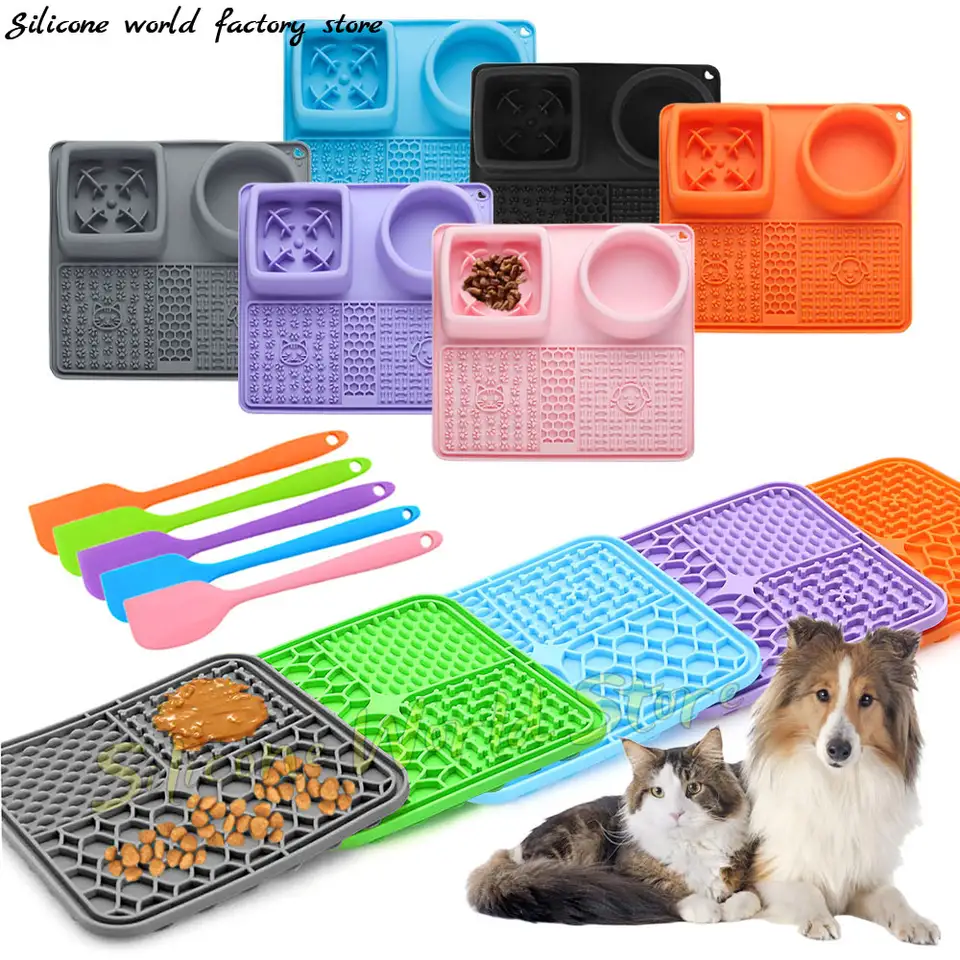
Senior dogs need less physical exercise than young dogs — but they still need mental engagement. Cognitive decline accelerates without it. Puzzle feeders and lick mats keep the prefrontal cortex active and delay cognitive dysfunction progression.
The [Calming Lick Mat](/products/calming-lick-mat) is particularly good for senior dogs because:
- It doesn't require physical exertion
- Licking triggers endorphin release, counteracting age-related anxiety
- It works for dogs with dental disease (soft food spreads easily)
- The repetitive action is soothing for dogs with early cognitive decline
Managing Walks and Harnesses
Senior dogs with joint pain often resist walking because the leash causes discomfort. Traditional collar-and-leash setups pull on the neck — problematic for dogs with cervical arthritis or degenerative disc disease.
A [step-in harness](/products/reflective-step-in-harness) distributes the load across the chest and shoulders, making walks more comfortable. The reflective stitching is also practical: senior dogs move slower, and evening walks become more common as owners avoid mid-day heat for older dogs.
Age 10+: The Geriatric Stage
At 10+, changes become more pronounced:
Pain management: Talk to your vet about NSAIDs, supplements (fish oil, glucosamine/chondroitin have reasonable evidence), and acupuncture. Don't rely on visible limping as a pain indicator — dogs are stoic and often mask pain until it's severe.
Diet: Switch to senior-formulated food with adjusted protein-to-phosphorus ratios. Kidney function declines with age, and standard adult protein levels can stress aging kidneys.
Vet visits: Increase to every 6 months (vs. annually for adult dogs). Blood work catches kidney disease, thyroid issues, and diabetes while still manageable.
Temperature sensitivity: Old dogs lose their ability to regulate temperature. Add blankets, move their bed away from A/C vents, and be cautious about outdoor time in extreme heat or cold.
What a Senior Dog Actually Needs
The core kit for a dog 7+:
1. [Orthopedic memory foam bed](/products/orthopedic-memory-foam-dog-bed) — the highest-impact purchase
2. [Slow feeder bowl](/products/maze-slow-feeder-bowl) — bloat prevention and digestive support
3. [Calming lick mat](/products/calming-lick-mat) — mental stimulation and anxiety management
4. [Step-in harness](/products/reflective-step-in-harness) — joint-friendly walks
Your senior dog spent 7+ years giving you everything. These four products directly address their four biggest physical needs — and most owners report visible improvement within a week.

Ready to Try It?
Everything mentioned in this article ships free. Use code WELCOME10 for 10% off your first order.
Shop PawHaven →