
How to Calm an Anxious Dog: 7 Expert-Curated Methods That Actually Work
Dog anxiety affects 1 in 4 pets. Here are 7 science-backed methods to help your dog feel safe — including tools vets actually recommend.
Dog anxiety is more common than most owners realize. Studies suggest 25–40% of dogs experience some form of anxiety — whether from thunderstorms, separation, strangers, or car rides. And unlike humans, dogs can't tell you what's wrong.
The good news: anxiety is highly treatable. Here are seven methods that veterinary behaviorists actually recommend.
1. Identify the Trigger First
Before you can treat anxiety, you need to know what's causing it. The main types:
- Separation anxiety: Destructive behavior, excessive barking, accidents — but only when alone
- Noise anxiety: Storms, fireworks, loud vehicles
- Social anxiety: Fear of strangers or unfamiliar dogs
- Travel anxiety: Panting, drooling, whining in cars
Keep a log for one week. Note when anxious behavior happens, what was happening right before it, and how intense it was on a 1–10 scale. This pattern will guide everything else.
2. Lick Mats and Enrichment Tools
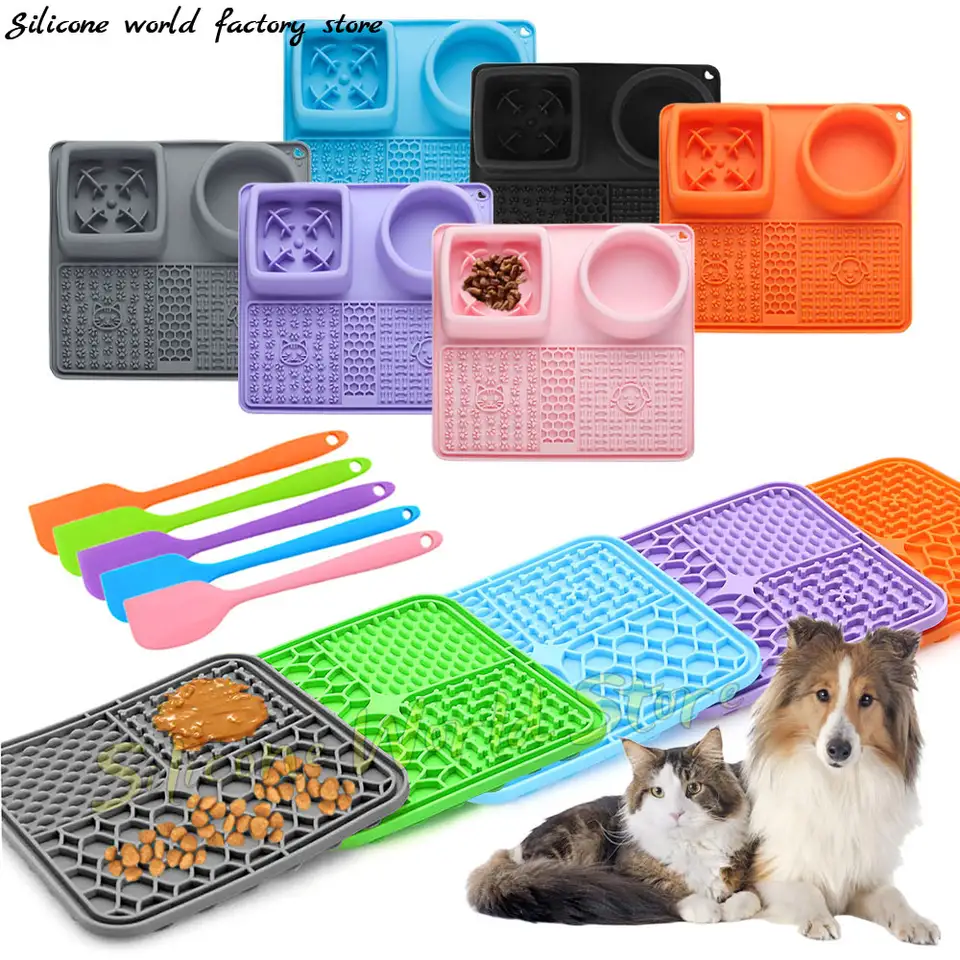
This is one of the most underrated anxiety tools available. The repetitive licking motion releases endorphins — the same calming neurotransmitters involved in human meditation practices.
During a thunderstorm or before a high-anxiety event:
1. Spread a thin layer of peanut butter, plain yogurt, or wet food on a lick mat
2. Freeze it for 15 minutes for a longer-lasting effect
3. Give it to your dog at the start of the trigger event
Dogs that associate scary events with lick mats often start visibly calming down when they see the mat come out — before they've even started licking. This is classical conditioning working in your favor.
Jessica T., a dog owner from Denver, told us: "The lick mat is a MIRACLE. My dog has severe storm anxiety. Now I smear peanut butter on this mat during thunder and she's completely calm. Wish I found it years ago."
3. Structured Exercise Before Triggers
A physically tired dog is a calmer dog. The science is clear: 30–60 minutes of vigorous exercise before a known stressor (July 4th, a vet visit, moving day) significantly reduces anxious behavior.
For dogs with separation anxiety, exercise before you leave in the morning can reduce destructive behavior by up to 50%, according to some behavioral studies.
4. Desensitization and Counter-Conditioning
This is the gold standard of anxiety treatment — but it takes weeks to months.
Desensitization: Gradual, repeated exposure to the trigger at very low intensity. For noise anxiety, start with recordings of thunder at barely audible levels while your dog eats treats. Slowly increase volume over weeks.
Counter-conditioning: Change the emotional response to the trigger. Every time the trigger appears, good things happen (high-value treats, play, affection). Over time, the trigger itself predicts good things.
This works best with a certified veterinary behaviorist or applied animal behaviorist — not just a trainer.
5. Create a Safe Space
Dogs need a den-like retreat when overwhelmed. This should be:
- Dark and enclosed: A crate with a blanket over it, a corner with high walls
- Consistently available: Never used for punishment
- Associated with positive things: Feed meals there, scatter treats inside daily
During anxiety episodes, guide your dog there rather than trying to comfort them in the open — this often increases anxiety by reinforcing the fearful behavior.
6. Calming Products That Work
Several products have evidence behind them:
Compression wraps (ThunderShirt, etc.): Work for about 30% of dogs. The constant gentle pressure mimics swaddling. Most effective for mild-moderate anxiety.
Calming lick mats: As described above — the repetitive motion is the key mechanism.
Puzzle feeders: Mental stimulation before an anxiety-provoking event redirects focus and burns nervous energy without physical exercise.
DAP diffusers: Dog Appeasing Pheromone, a synthetic version of the pheromone nursing mothers release. Mixed evidence, but low risk and some dogs respond well.
What to skip: Most herbal supplements have little clinical evidence. Melatonin has some supporting research for noise anxiety specifically. Always consult your vet before giving supplements.
7. Medication When Needed
Anxiety medication is not a failure. For dogs with moderate-to-severe anxiety, medication can be life-changing — and often makes behavioral training more effective by lowering baseline anxiety enough for the dog to actually learn.
Options include:
- SSRIs/TCAs (fluoxetine, clomipramine): For chronic, pervasive anxiety. Take 4–6 weeks to work.
- Situational medications (trazodone, gabapentin, alprazolam): Given before specific events like fireworks or vet visits.
Work with your vet or a board-certified veterinary behaviorist for the right combination.
The Bottom Line
Anxiety is treatable. Start with identifying the trigger, then layer in management tools (lick mats, safe spaces, exercise) before working on long-term behavior modification. Medication is a valid option for severe cases.
The best approach combines multiple strategies — no single tool works for every dog.

Ready to Try It?
Everything mentioned in this article ships free. Use code WELCOME10 for 10% off your first order.
Shop PawHaven →